
Residential Screen Enclosures


Residential Screen Enclosures in Orlando, FL
Custom-Built for Your Home
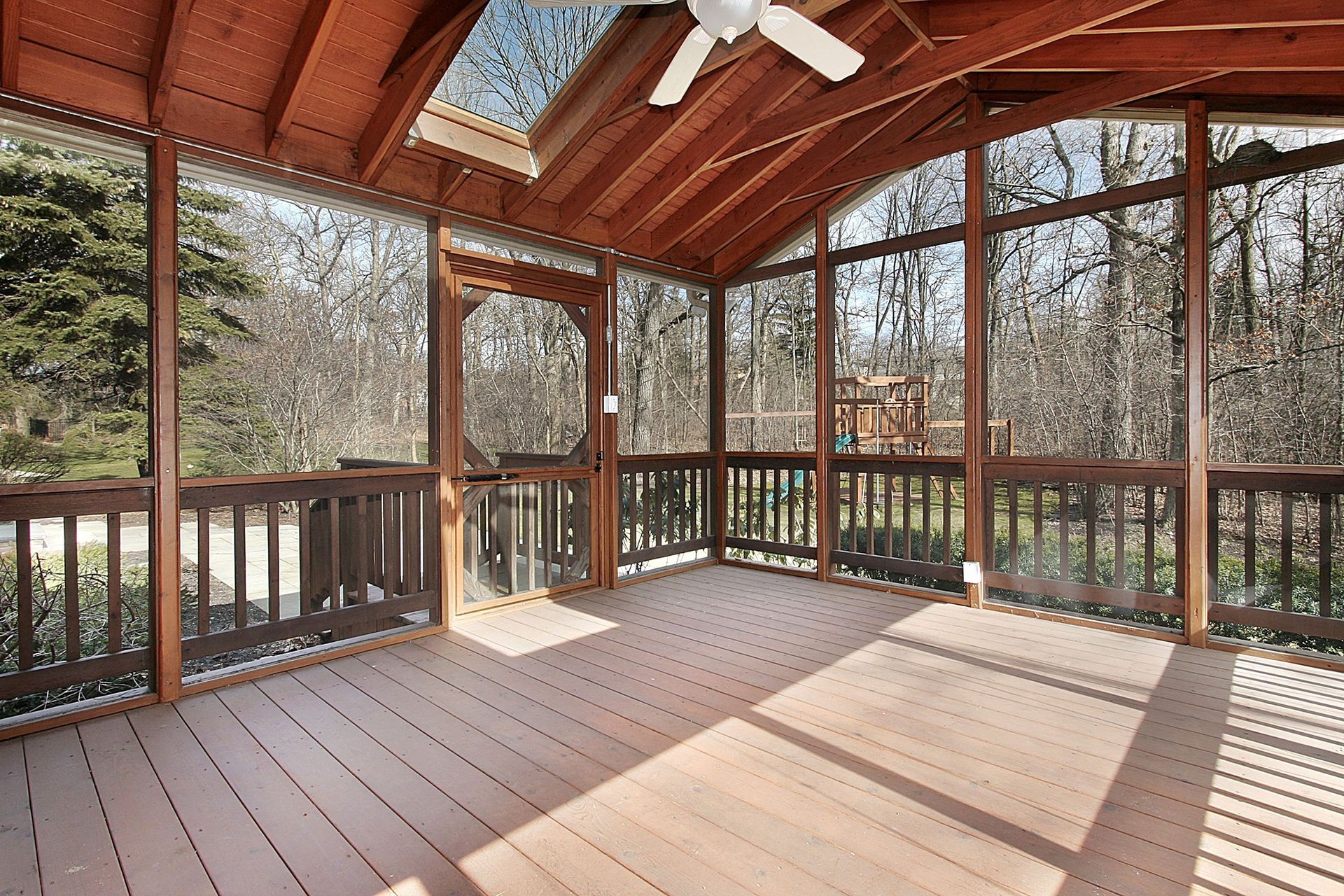
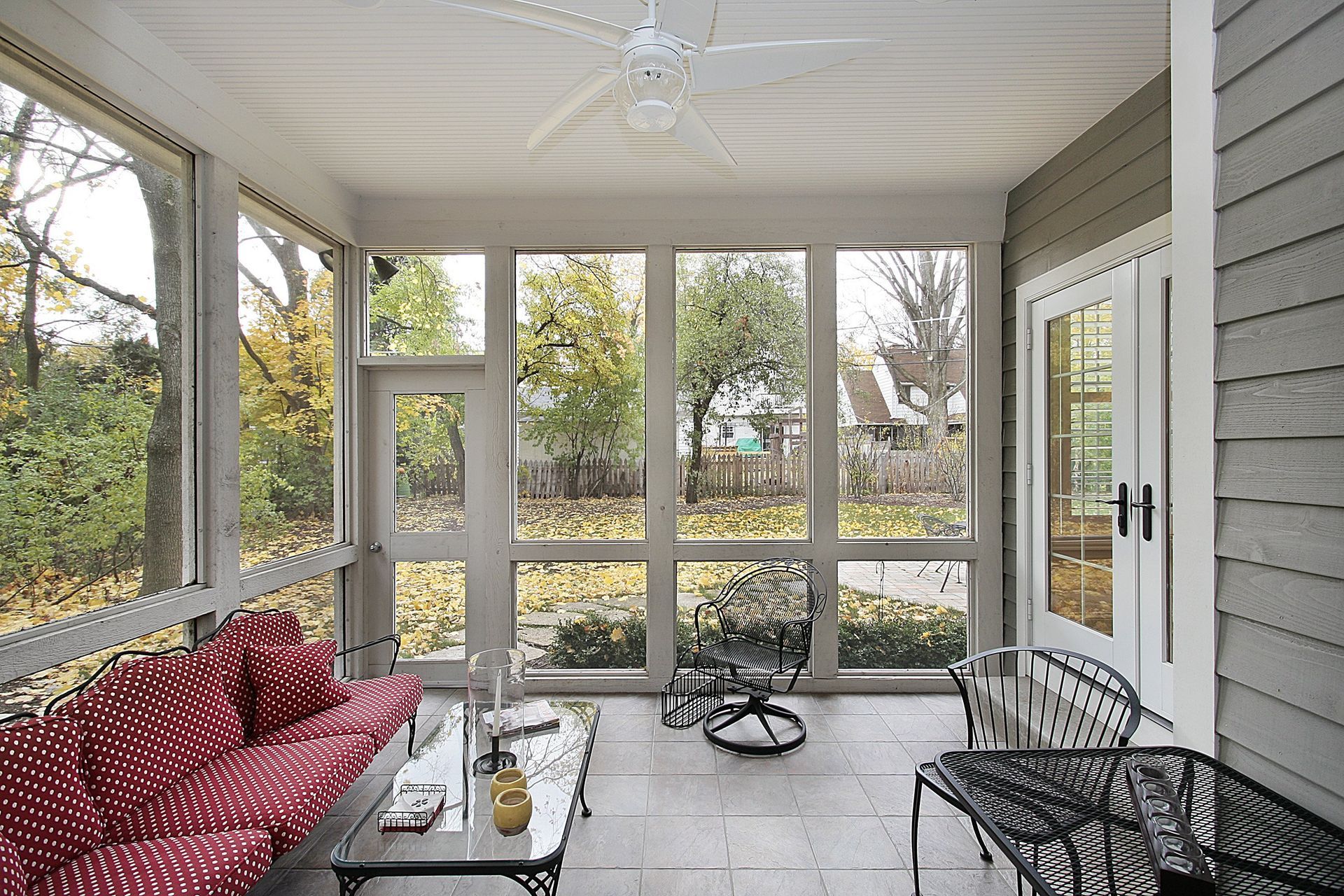
Residential screen enclosures give Orlando homeowners a way to expand their usable living space while keeping out mosquitoes, no-see-ums, falling debris, and direct sun exposure. Unlike commercial screen structures, residential screen enclosures are designed around the specific layout of a home, whether that means a screened lanai off the back of the house, a screen room attached to an existing patio, or a full pool cage enclosing the backyard pool area. Gator Screen Inc. builds repairs and rescreens enclosures throughout Orlando, working with homeowners to complete structures that fit the home's footprint, roofline, and intended use, from quiet reading nooks to full outdoor entertaining spaces.
Request a residential screen enclosure consultation from Gator Screen Inc..

Types of Residential Screen Enclosures in Orlando
Homeowners have several structural options when planning a residential screen enclosure, and the right choice depends on the home's existing layout and how the space will be used.
Lanai Screen Enclosures
Lanai-style residential screen enclosures typically sit under an existing roofline and are one of the most common enclosure types added to Orlando homes.
Pool Cage Enclosures
Residential screen enclosures built around pools require taller framing and additional structural considerations to cover both the pool and surrounding patio area.
Free-Standing Screen Rooms
Some residential screen enclosures are built independently from the main house, often used for detached patios or backyard sitting areas away from the home's main structure.
Multi-Purpose Outdoor Living Enclosures
Larger residential screen enclosures sometimes combine dining, lounging, and pool areas into a single continuous screened structure spanning multiple zones of the backyard.
Designing a Residential Screen Enclosure for Your Property
Every residential screen enclosure project begins with an assessment of the home's roofline, existing patio or slab, and how the homeowner plans to use the finished space. Gator Screen evaluates structural support needs, drainage, and access points before finalizing a design for the enclosure.
Schedule a design consultation for your residential screen enclosure.
Framing and Structural Planning
Aluminum framing forms the skeleton of every residential screen enclosure, with support posts and headers sized according to the height and span of the structure.
Roofline Integration
Enclosures built under an existing roof require less structural work than those needing new roof extensions, which affects both timeline and cost for residential screen enclosures.
Access Points and Screened Doors
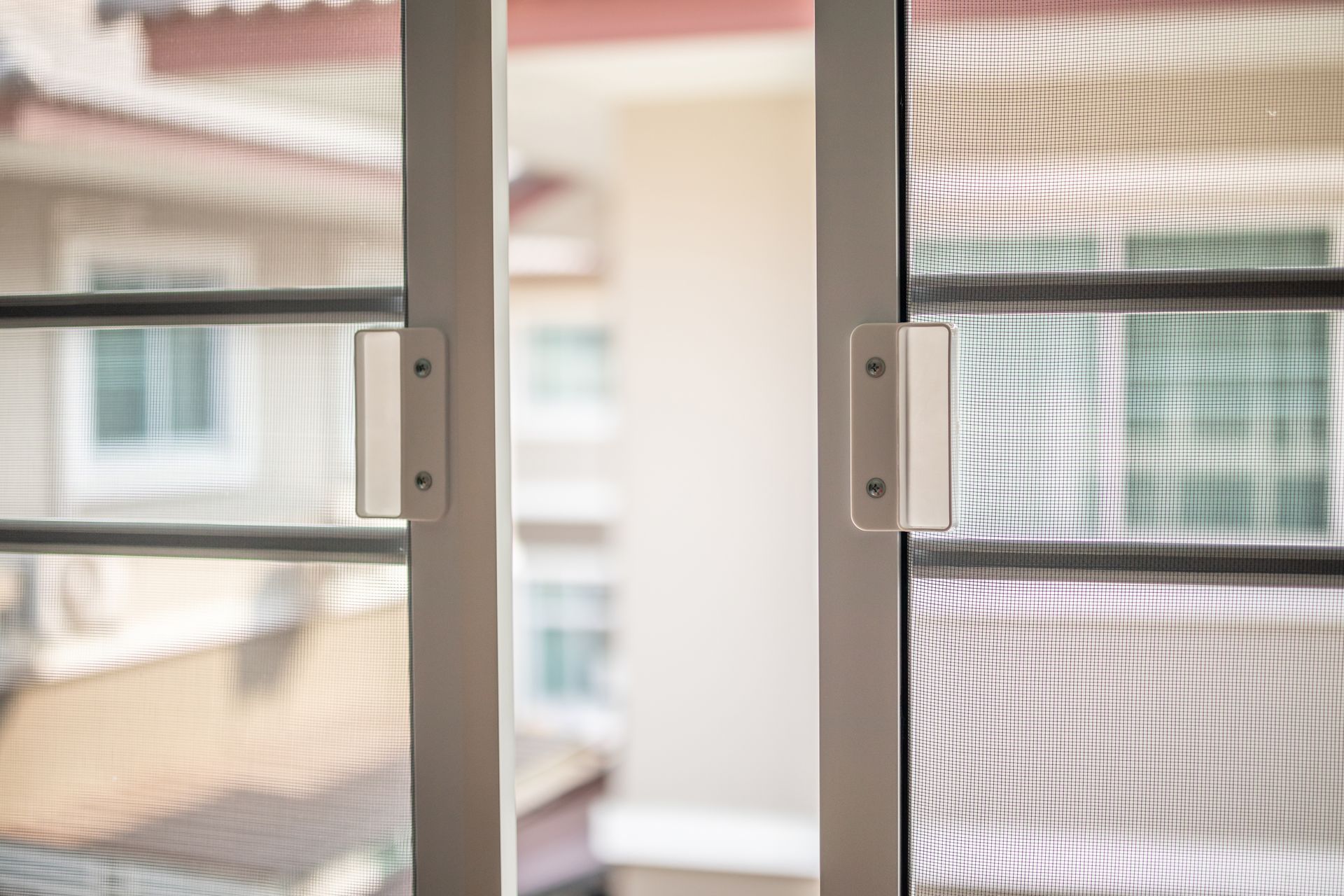
Every residential screen enclosure includes at least one screened door, positioned based on how homeowners will move between the house, enclosure, and yard.

Screen enclosures take a beating from Orlando's UV exposure, storms, and general wear, and rescreening and repair addresses torn panels, sagging screen, and bent frame sections before they turn into bigger problems. Gator Screen inspects the frame and spline channel on every job to determine whether a targeted repair or a full rescreen is the right fix.
Rescreening and Repair

Screen enclosures take a beating from Orlando's UV exposure, storms, and general wear, and rescreening and repair addresses torn panels, sagging screen, and bent frame sections before they turn into bigger problems. Gator Screen inspects the frame and spline channel on every job to determine whether a targeted repair or a full rescreen is the right fix.

Screen enclosures take a beating from Orlando's UV exposure, storms, and general wear, and rescreening and repair addresses torn panels, sagging screen, and bent frame sections before they turn into bigger problems. Gator Screen inspects the frame and spline channel on every job to determine whether a targeted repair or a full rescreen is the right fix.
Rescreening and Repair

Rescreening and Repair

Rescreening and Repair
Screen enclosures take a beating from Orlando's UV exposure, storms, and general wear, and rescreening and repair addresses torn panels, sagging screen, and bent frame sections before they turn into bigger problems. Gator Screen inspects the frame and spline channel on every job to determine whether a targeted repair or a full rescreen is the right fix.
Permitting and Considerations for Orlando Homeowners
Residential screen enclosures in Orlando generally require permitting since they involve new structural framing rather than simple rescreening or repair. Local codes account for wind load requirements given Central Florida's storm exposure, and Gator Screen Inc.
factors these requirements into every residential screen enclosure design. Homeowners should also consider drainage, landscaping impact, and how the enclosure will affect existing patio or pool access before construction begins.
Frequently Asked Questions About Residential Screen Enclosures
How much does a residential screen enclosure cost in Orlando?
Cost depends on the size of the structure, whether new roofing is needed, and the screen and frame materials selected for the project.
How long does it take to build a residential screen enclosure?
Most residential screen enclosures in Orlando take one to two weeks to complete, depending on permitting and the complexity of the design.
Do residential screen enclosures require a permit in Orlando?
Yes, most residential screen enclosures require a building permit since they involve structural framing that must meet local wind load codes.
What is the difference between a lanai enclosure and a pool cage?
A lanai enclosure typically covers a patio space attached to the home, while a pool cage specifically encloses a pool and its surrounding deck area.
Can a residential screen enclosure be added to an existing patio?
Yes, adding a residential screen enclosure to an existing patio or slab is one of the most common projects, provided the base is level and structurally sound.
What screen material is best for homes near wooded areas?
No-see-um mesh is recommended for residential screen enclosures near wooded or low-lying areas where smaller biting insects are more common.
How long do residential screen enclosures last in Florida?
Well-built residential screen enclosures typically last ten to fifteen years before requiring rescreening, depending on sun exposure and material quality.
Do residential screen enclosures need a new roof?
Only if the area does not already have overhead coverage; enclosures built under an existing roofline do not require new roofing.
Can a residential screen enclosure include multiple screened doors?
Yes, larger residential screen enclosures often include multiple screened doors depending on how many access points the homeowner needs.
How much maintenance do residential screen enclosures require?
Residential screen enclosures require periodic cleaning of the screen material and occasional inspection of the frame and spline for wear over time.
Can a residential screen enclosure be built around an existing pool?
Yes, building a residential screen enclosure around an existing pool is common and typically requires taller framing to accommodate the pool cage structure.
Contact Gator Screen Inc. to schedule a design consultation for your Orlando residential screen enclosure.


